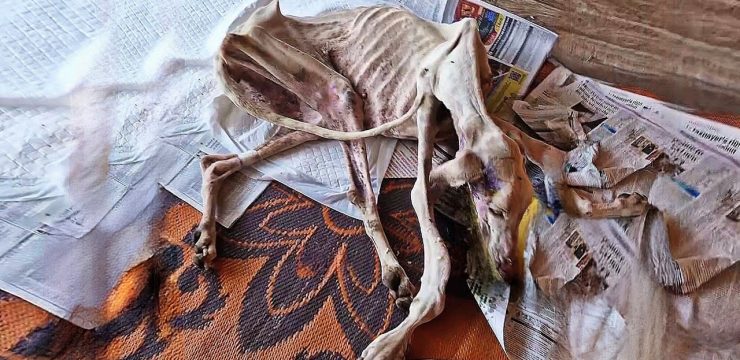
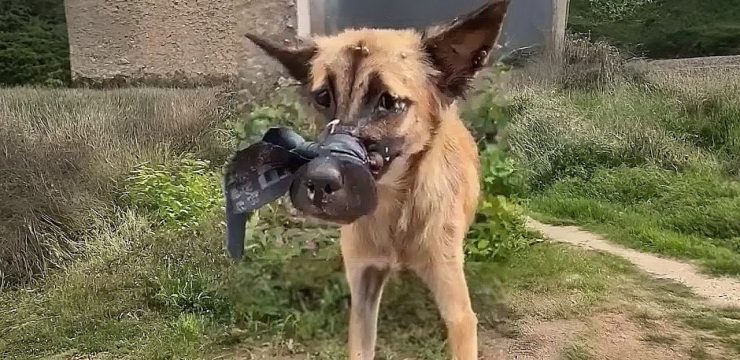
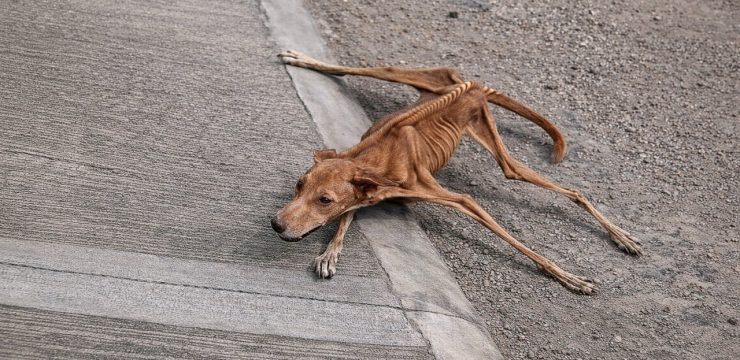
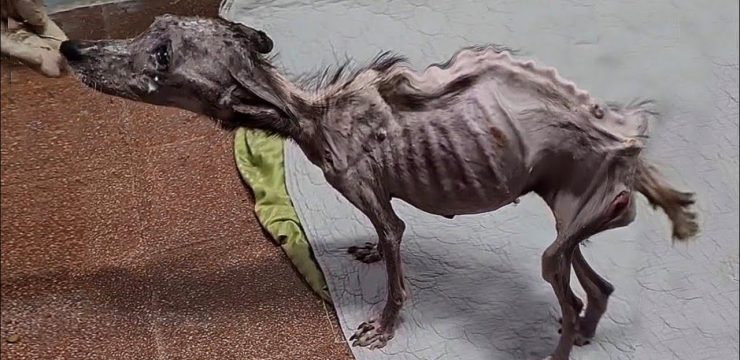
Cavalete could not stand. He could not take a single step. His body had become so rigid that even the smallest movement seemed beyond his reach. By the time rescuers took him into their care, Cavalete was completely paralyzed, and the outlook was bleak.
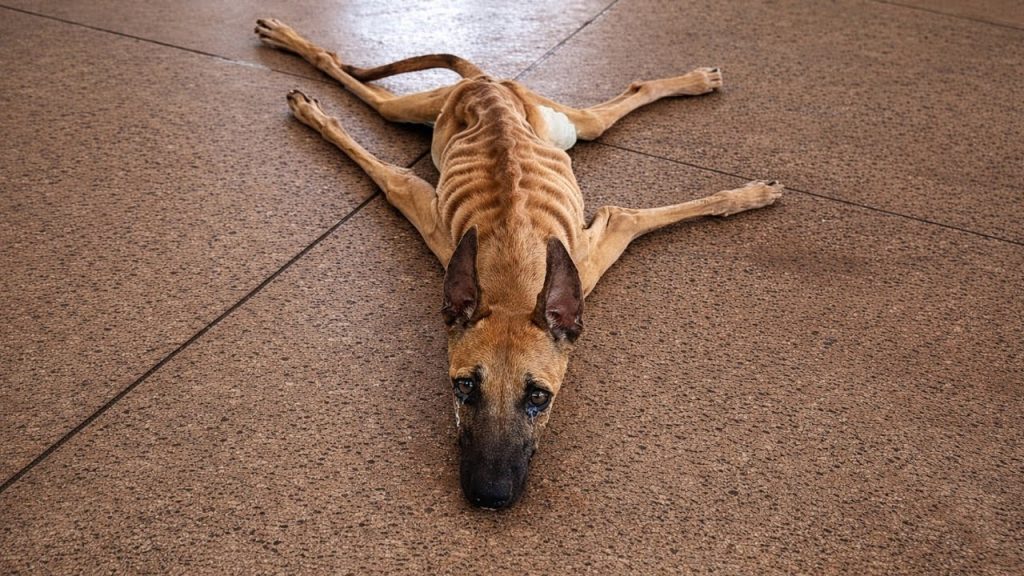
Veterinarians diagnosed him with a severe case of tetanus. His condition was so serious that they believed he had little time left. The people who had stepped forward to help him were confronted with a recommendation no animal lover ever wants to hear: euthanasia might be the kindest choice.
The doctors saw how gravely ill Cavalete was, and understood the suffering involved. From their medical perspective, the chances of survival appeared painfully small. Yet for the rescue team, accepting that judgment meant saying goodbye to a dog they were not ready to give up on.
They chose to keep trying.
That decision did not suddenly make the road easier. It meant facing uncertainty, difficult treatment, and the possibility that every effort could end in disappointment. The team knew that caring for Cavalete would require patience and money, without knowing whether he would stand again. Still, they believed his life deserved every reasonable chance they could offer.
The work was exhausting. Night after night, his rescuers stayed awake to care for him. Their devotion was not measured by dramatic victories, because at first there were none. It was measured by their willingness to continue when nothing seemed to change, when worry followed every attempt to help, and when the future remained uncertain.
Physical therapy brought its own discouragement. The team worked to help Cavalete recover movement, but those early efforts produced no response. His body remained stiff and unyielding. No matter how much care surrounded him, the improvement they longed to see did not appear. Each unsuccessful attempt was another reminder of how distant recovery seemed.
Even highly respected veterinarians offered little encouragement. They regarded further efforts as futile, reinforcing the fear that Cavalete’s condition might be beyond help. The rescuers were caught between professional assessments that pointed toward defeat and a determination that would not easily let go. There was no certainty to comfort them, only a fragile hope that their care might matter.
It is easy to admire perseverance once a happy ending is known. It is much harder to live through the part of a story when there is no reassurance, no visible progress, and no guarantee that hope will be rewarded. That was the difficult place Cavalete’s rescuers found themselves in. They could not force his body to heal. They could only keep giving him the care he needed.
Then, after so much disappointment, something changed.
During rehabilitation, Cavalete began to show signs of movement in some of his limbs. They were small signs compared with the recovery everyone dreamed of, but they meant everything to those who had watched him motionless. For the first time, there was something they could see, something that suggested the effort might not have been in vain.
Hope returned cautiously. One movement could not erase the seriousness of his illness, and no one knew how much strength he could regain. Yet the possibility of improvement no longer lived only in their wishes. Cavalete was responding. A body that had seemed unable to move was beginning, little by little, to do what once appeared impossible.
And then came the moment that changed the meaning of everything they had endured.
Cavalete gathered his strength and stood on his own. After being completely paralyzed, he managed to take his first unsteady steps. They were not effortless steps, nor did they mean that his recovery was finished. But they were his. What once seemed out of reach was happening in front of the people who had refused to stop caring for him.
Those around Cavalete were overcome with emotion. Tears of happiness and astonishment reflected the weight of everything that had come before: the grim diagnosis, the recommendation to let him go, the sleepless nights, the treatment costs, and the long stretch of rehabilitation without a sign of progress. His first steps were small, but their meaning was enormous.
His journey did not end with that remarkable breakthrough. Cavalete still had to rebuild his ability to stand and walk. With continued rehabilitation and ongoing veterinary supervision, he kept practicing and growing stronger. Progress became more noticeable as he regained abilities that illness had taken away. His recovery, once considered so unlikely, was finally becoming part of his everyday life.
There is something deeply moving about watching a vulnerable animal receive the time and care needed to improve. Cavalete’s rescuers could not guarantee the outcome when they first chose to continue. Their commitment did not replace veterinary treatment or make his illness less dangerous. It meant they stayed beside him through that treatment and the demanding work of recovery, even when success seemed terribly remote.
Eventually, another beautiful change arrived. Cavalete was adopted into a loving home. After everything he had endured, he was no longer simply fighting for another chance to live. He had a family to share that life with, and a comfortable place to be loved.
Today, Cavalete enjoys the warmth and security of his new family. The dog who once could not move now has a life shaped by comfort rather than crisis. His story carries the memory of a frightening illness, but it is not defined by that illness alone. It also belongs to the people who refused to stop trying and to the patient work that helped him recover.
Not every difficult rescue can end this way, and hope alone is never a substitute for medical care. But Cavalete’s journey is a reminder of what compassion can look like when it is joined with commitment, patience, and skilled treatment. Sometimes a second chance begins long before the first step. It begins when someone decides that a vulnerable life is still worth fighting for.