Neighbors had repeatedly reported concerns about a neglected dog compound. They knew animals were being kept there, but getting close enough to understand the full extent of their suffering had proved difficult. The owner was aggressive and refused to allow anyone inside. The owner kept everyone out.
Rescuers could not simply enter. They needed official permission and the support of law enforcement. When that authorization was finally secured, police accompanied the rescuers as they entered the property. What they discovered went beyond the concerns that had brought them there.
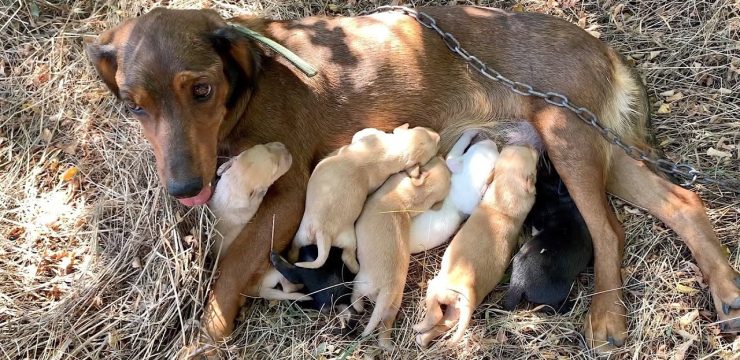
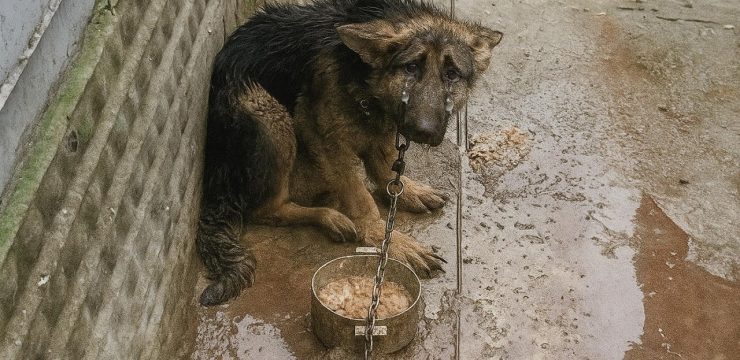
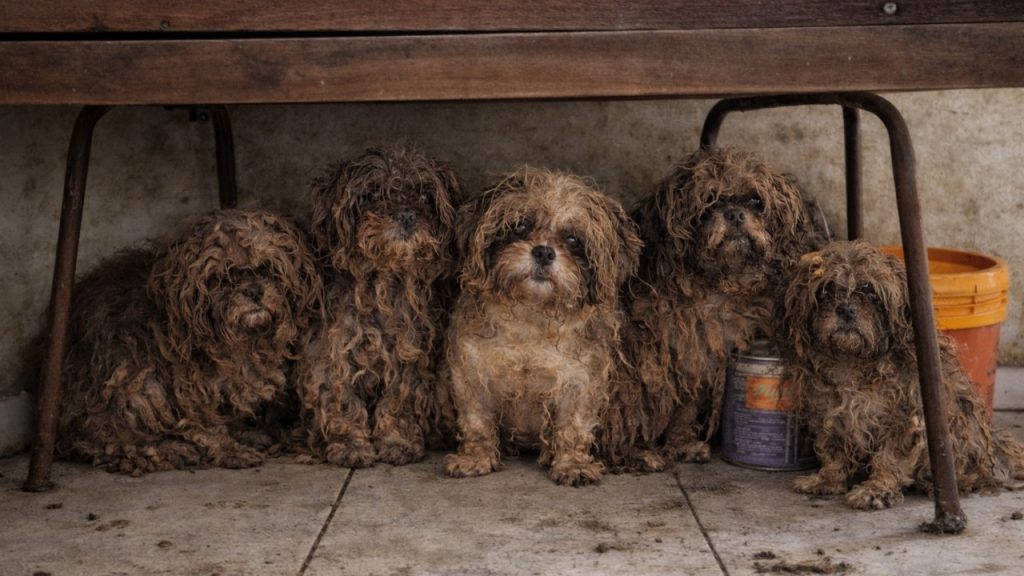
There was not just one holding area. Dogs were confined at two separate locations, with more than thirty animals in all. Twenty-eight were found at the first site alone. Crowded together in cramped spaces, they had almost no relief from the filth around them. The air carried a powerful odor, and everywhere the rescuers looked, there were signs of fear and neglect.
Food had been thrown directly onto the floor, where it mixed with waste. There were no feeding bowls and no basic cleanliness. Eating, something that should have been simple and comforting, had become another struggle. In a crowded group, the strongest animals had an advantage. Those without the strength to compete were left especially vulnerable.
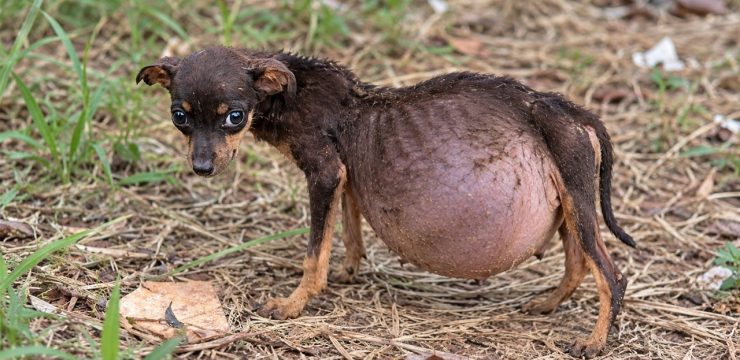
One small dog showed the terrible cost of that competition. Far too thin, the little animal could not fight for enough food among the others. Another dog had a serious eye condition that had gone untreated. Neither needed anything extraordinary to deserve attention. They needed someone to recognize their suffering and take it seriously.
The dogs’ coats told another part of the story. Fur had become so dirty and severely matted that it formed heavy, hardened clumps. On some animals, those clumps interfered with normal movement. Fleas and other parasites added to their discomfort. Beneath the tangled hair were bodies that had been denied even the most basic care.
For the rescuers, seeing so many animals in this condition was devastating. Yet the discovery also meant something important: their suffering was no longer hidden behind a closed entrance. The dogs had finally been reached, and the work of giving them a different life could begin.
Getting them out of those spaces was only the beginning. Safety alone could not undo the physical effects of neglect, nor could it immediately erase the fear the dogs had learned to associate with human contact. They would need medical attention, careful handling, proper food, and patience.
Once the animals were in a safe place, their tangled coats had to be completely shaved. There was no gentle way to brush through fur that had hardened into thick, burdensome masses. Removing it revealed how thin many of the dogs were, along with injuries and skin problems previously concealed beneath the matting.
Every dog received a veterinary examination. Medicated baths addressed their skin and hygiene needs, while individualized nutritional care recognized that not every animal had the same strength or the same problems. Their recovery was not a single dramatic moment. It was a process of meeting needs that had been ignored for far too long.
Their emotional wounds required just as much consideration. Some dogs were so frightened that they trembled when people approached. Others seemed too exhausted or weak to react at all. A hand reaching toward them, even with kindness, could still feel threatening. They had not known the steady reassurance that makes touch feel safe.
The rescuers did not expect trust simply because the animals were no longer confined. They continued caring for them, allowing familiarity to replace some of that fear. The difference came gradually, in small responses that might have seemed ordinary in a dog who had always been loved.
A hesitant wag of the tail mattered. So did a dog choosing to come closer instead of drawing away. Eventually, some began approaching people for affection, seeking the gentle contact that had once frightened them. These were quiet changes, but they carried enormous meaning. They showed that fear did not have to define the rest of these animals’ lives.
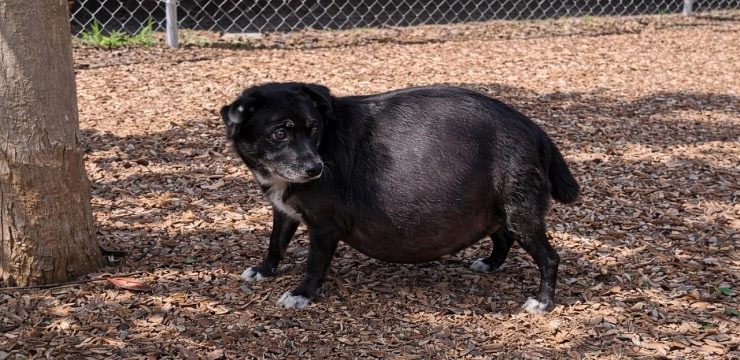
It is difficult to look at a group of more than thirty dogs and fully understand what neglect meant for each individual. One was struggling to eat. Another needed care for a serious eye condition. Some could barely move beneath the weight of their own fur. Their needs were different, and each one deserved to be noticed rather than lost in the crowd.
The care they received did not make their earlier suffering disappear. Their injuries, illness, and fear were real. But food provided with attention, proper treatment, clean bodies, and patient human contact began to change what their lives could hold. They were no longer being left to compete, endure, and survive without help.
No promise of a new home is needed to understand the importance of what happened. The known change is already profound: dogs once trapped in filthy, crowded spaces were brought to safety, treated as individuals, and given the opportunity to recover. For animals who had been treated like objects, simply being recognized as living creatures worthy of care was a new beginning.
These dogs were never invisible because their lives lacked value. They were made invisible by the neglect surrounding them and the barriers that kept help away. When concerned people persisted and rescuers finally reached them, that neglect was confronted with compassion and action.
Every cautious wag and every step toward a caring hand tells a quieter story than the one found behind those closed doors. It is a story of dignity being restored, little by little. More than thirty lives mattered before anyone entered that compound. They matter just as much now, and every one deserves safety, respect, and kindness.