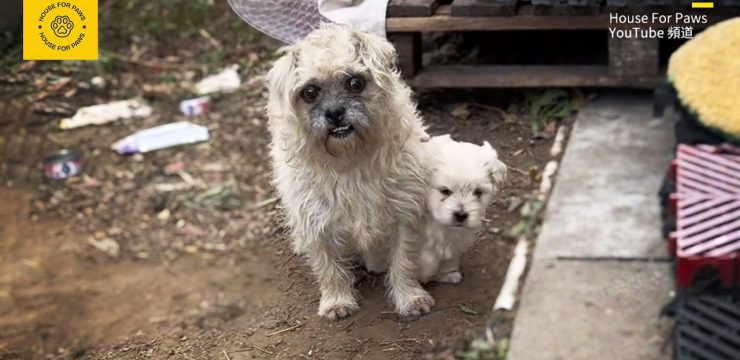
Vasilisa was trapped on the balcony of an abandoned house, with no food, no water, and no way to escape.
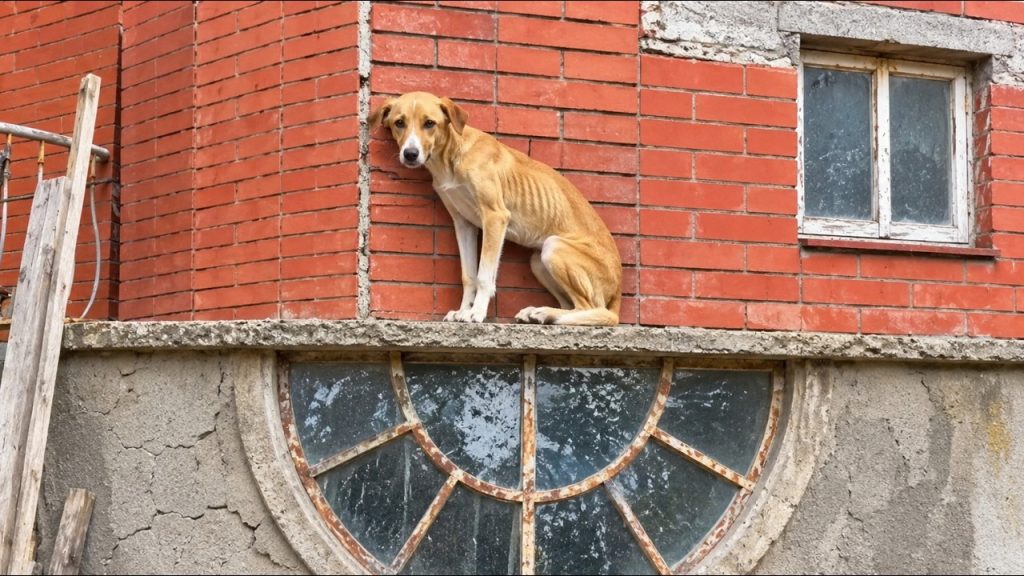
For an older dog already weakened by neglect, every moment without help made her situation more serious. Alone and unable to reach safety, this gentle white dog was facing a struggle no animal should ever have to endure.
There was something especially painful about the place where she had been found. A balcony should never become a prison, yet Vasilisa had been left in an abandoned building, completely dependent on someone discovering her before her condition became even worse. She could not simply leave to find something to eat or drink. Her survival depended on help arriving from outside.
By the time rescuers discovered her, the effects of prolonged neglect were unmistakable. Vasilisa was severely dehydrated, exhausted, and malnourished. Her body had grown weak from the lack of basic necessities, and her overall condition was deeply concerning. For a senior dog, such deprivation can be particularly difficult to overcome.
Yet behind her fragile appearance was a living creature who still deserved every chance at comfort, safety, and a better future. Vasilisa was not simply another abandoned animal. She was an older dog whose life mattered, regardless of how vulnerable she had become.
Everything began to change when rescuers finally reached her.
Getting Vasilisa away from the abandoned house was an essential first step, but it was only the beginning of her journey. Her physical condition demanded urgent veterinary attention. After enduring hunger and dehydration, she needed much more than a comfortable place to rest. Her body required careful medical evaluation, appropriate treatment, and time to recover.
The veterinary team performed blood tests and a thorough examination to understand the effects of her ordeal. The results revealed elevated liver enzymes, raising concerns about how her body had been affected by prolonged deprivation. It was an important finding that required medical attention and continued care.
Fortunately, there was also encouraging news. An ultrasound examination did not reveal serious internal abnormalities or major organ damage. Considering how poorly Vasilisa had been when she was discovered, this was a meaningful source of hope.
Still, the absence of major internal damage did not mean she was suddenly healthy. Her weakened body needed gentle rehabilitation, and recovery could not be rushed.
One of the most important parts of her treatment was helping her safely return to regular nourishment. After a period of starvation, suddenly providing large amounts of food can create additional medical risks. Vasilisa therefore received small, frequent meals designed to help her body gradually adjust to eating again.
Hydration, ongoing medical treatment, and adequate rest were also essential. Each part of her care served a purpose, giving her the support she needed as her strength slowly returned.
There was no instant transformation. Healing required consistency, patience, and attention to her changing needs. For an animal who had endured such difficult circumstances, even modest improvements carried tremendous significance.
Gradually, Vasilisa began to regain strength. She also started putting on weight, an encouraging indication that her body was responding to the care she was receiving. Although she still had a considerable journey ahead, these improvements showed that her situation was moving in a more hopeful direction.
But Vasilisa's recovery involved more than improving her physical health.
After being left alone in such frightening circumstances, she also needed the opportunity to experience kindness and security. The absence of food and water had threatened her physical well-being, while the experience of abandonment had left another important need: the chance to feel safe with someone who cared about her.
That opportunity came through the woman who rescued her.
As Vasilisa received gentle, consistent attention, a beautiful bond began to develop between them. Their growing connection became one of the most touching parts of her recovery. The older dog who had once been isolated on an abandoned balcony was gradually learning that human companionship could bring comfort rather than uncertainty.
Trust is especially meaningful in an animal who has experienced neglect. It cannot simply be demanded, and it does not always return quickly. It develops through patience, understanding, and repeated experiences of safety.
For Vasilisa, that process became part of her second chance.
The woman who saved her was helping provide something that medical treatment alone could not offer: the emotional comfort of a caring relationship. Veterinary attention remained essential to her physical recovery, but affection and gentle companionship gave her an opportunity to begin rebuilding trust.
The contrast with her former circumstances was extraordinary.
Before her rescue, Vasilisa had been stranded without the most basic things necessary for survival. Now she had access to food, water, medical attention, rest, and someone devoted to helping her recover. Instead of being forgotten in an abandoned house, she was receiving the careful attention her condition required.
For a senior dog, these changes mean more than simple improvements in living conditions. They represent dignity, protection, and the recognition that an older animal is just as deserving of kindness as a young puppy.
There is something particularly moving about watching an older dog receive a second chance. Age does not diminish an animal's need for companionship or its ability to form meaningful connections. Even after experiencing hardship, a gentle soul like Vasilisa can begin to discover a different kind of life when surrounded by patient, compassionate care.
Her transformation was already remarkable, but her journey was not finished.
Vasilisa still needed continued recovery and support. Although she had gained strength, improved her weight, and developed a trusting bond with her rescuer, these encouraging developments did not erase the effects of everything she had endured.
Her future would depend on continued care and the progress of her rehabilitation. There was no reason to pretend that every challenge had disappeared. What mattered was that she was no longer trapped and abandoned, struggling to survive without help.
She finally had a real opportunity to heal.
Perhaps the most meaningful part of Vasilisa's experience is not simply that she survived her ordeal. It is that someone recognized her suffering and chose to intervene. That decision opened the door to veterinary treatment, nourishment, kindness, and the possibility of a life defined by something other than neglect.
An abandoned balcony had once represented the limits of her world. Now, with the support of the woman who rescued her, Vasilisa had begun moving toward a future filled with greater safety and affection.
Her story is a gentle reminder that older dogs should never be overlooked or considered less worthy of rescue. Their lives hold value, their needs deserve attention, and their capacity to trust and connect can remain deeply moving.
Vasilisa has not yet reached the end of her healing journey, but she has already experienced a change that matters enormously. She is receiving care, growing stronger, and discovering the comfort of a loving human connection.
For a sweet old dog who was once left completely alone, that is a beautiful beginning.
And sometimes, a second chance begins with something as simple and powerful as one person deciding that a forgotten life is worth saving.